
Your cart (0)
Your cart is empty
Tax included and shipping calculated at checkout
Your cart is empty
Tax included and shipping calculated at checkout

Motorcycle racing is thrilling, but it comes with risks. A custom racing suit not only showcases your style but also provides essential protection. Understanding how custom racing suits are made can help you appreciate the craftsmanship and make informed choices.
The journey begins with a detailed consultation. Professionals take over 20 precise body measurements to ensure a perfect fit. This step is crucial because a well-fitted suit enhances comfort and safety. Measurements include chest, waist, hips, arms, legs, and more, considering your riding posture and gear preferences.
Choosing the right material is vital. High-quality leather, such as cowhide or kangaroo leather, is commonly used due to its durability and abrasion resistance. Kangaroo leather is lighter and offers excellent flexibility, making it a preferred choice for many racers. The leather's thickness typically ranges from 1.2 to 1.4 mm to balance protection and mobility.
Once measurements and materials are decided, the design phase begins. You can personalize your suit with colors, logos, numbers, and sponsor graphics. Designers create digital mock-ups to visualize the final look. This customization allows you to express your personality while maintaining professional aesthetics.
Skilled craftsmen create patterns based on your measurements and design choices. These patterns serve as templates for cutting the leather. Precision is key to ensure each piece fits together seamlessly. Advanced tools, including laser cutters, are often used for accuracy.
The cut leather pieces are assembled and stitched together. High-strength threads, like nylon or polyester, are used for durability. Critical areas receive double or triple stitching to withstand stress during rides or potential falls. This meticulous process ensures the suit's integrity and longevity.
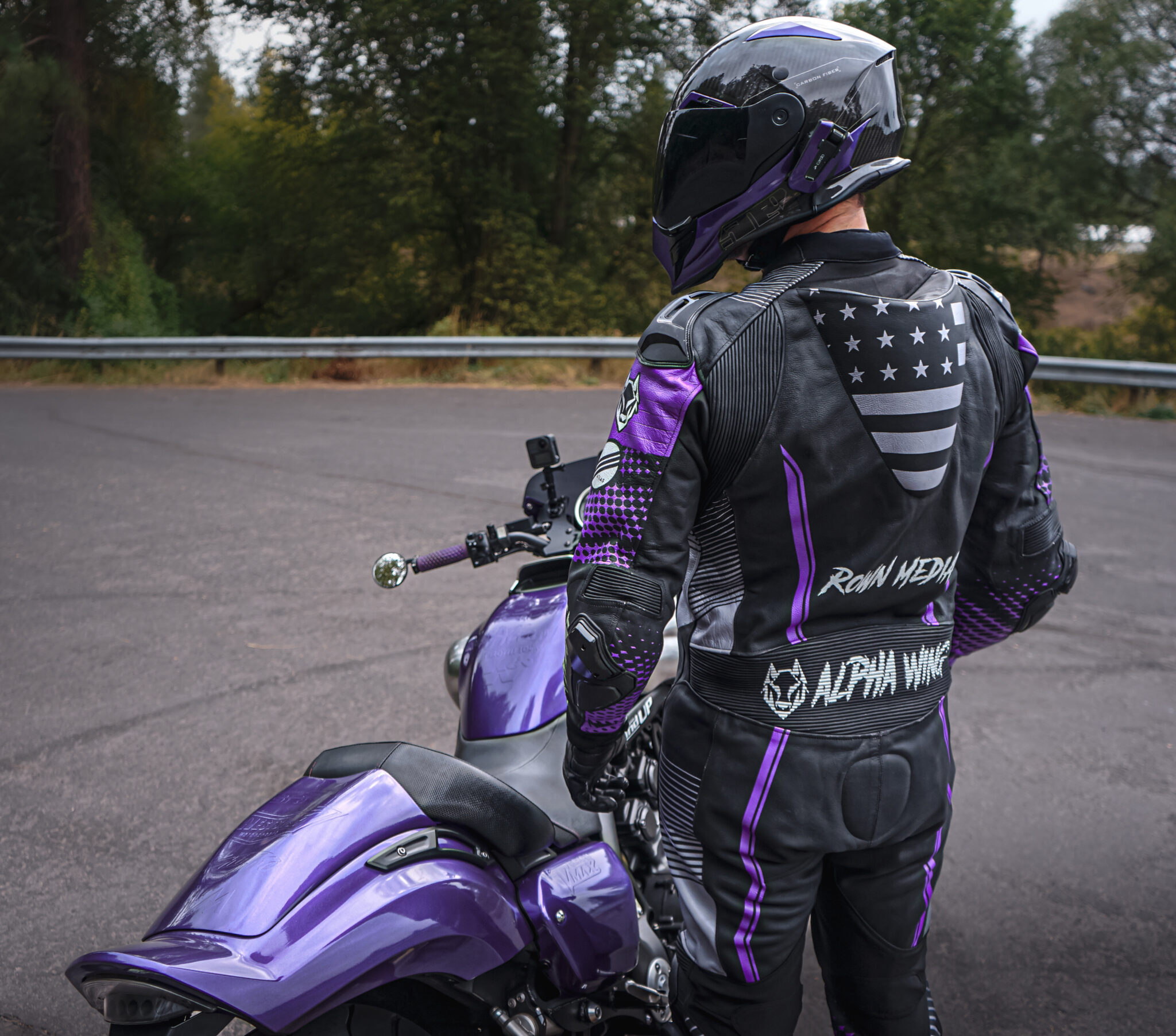
Safety is paramount in racing suits. CE-certified armor is integrated into key impact zones, including shoulders, elbows, knees, and back. These protectors absorb and distribute impact forces, reducing injury risks. Additionally, some suits feature reinforced padding in areas prone to abrasion.
Comfort enhances performance. Suits include stretch panels made from elastic materials in areas like the underarms, back, and knees to allow flexibility. Ventilation systems, such as perforated leather sections, promote airflow to keep you cool. An inner lining, often made from moisture-wicking fabric, adds to the comfort by managing sweat.
Before delivery, the suit undergoes rigorous quality checks. Inspectors examine stitching, fit, and the placement of protective elements. Some manufacturers conduct tests to ensure the suit meets safety standards and performs well under stress. This step guarantees that you receive a reliable and safe product.
Upon completion, you try on the suit to assess fit and comfort. Any necessary adjustments are made to ensure optimal performance. This final fitting ensures that the suit conforms perfectly to your body, providing both protection and ease of movement.
Proper care extends the life of your racing suit. Regularly clean the leather with appropriate products and store the suit in a cool, dry place. Avoid exposing it to direct sunlight for extended periods. Inspect the suit periodically for signs of wear and tear, especially in the protective areas.
Understanding how custom motorcycle racing suits are made highlights the blend of craftsmanship, technology, and personalization involved. From precise measurements to the integration of safety features, each step is designed to provide you with a suit that enhances both protection and performance. Investing in a custom suit ensures that you ride with confidence, comfort, and style.
Read more How to Choose a Racing Suit?